Sapa Homestay: What a Night in a Village Is Like
What a Sapa homestay is really like: dorm, private room or bungalow, 2-day or 3-day treks through Lao Chai, Ta Van and Giang Ta Chai, and how to get there from Hanoi.
By AmGo Travel6 min read
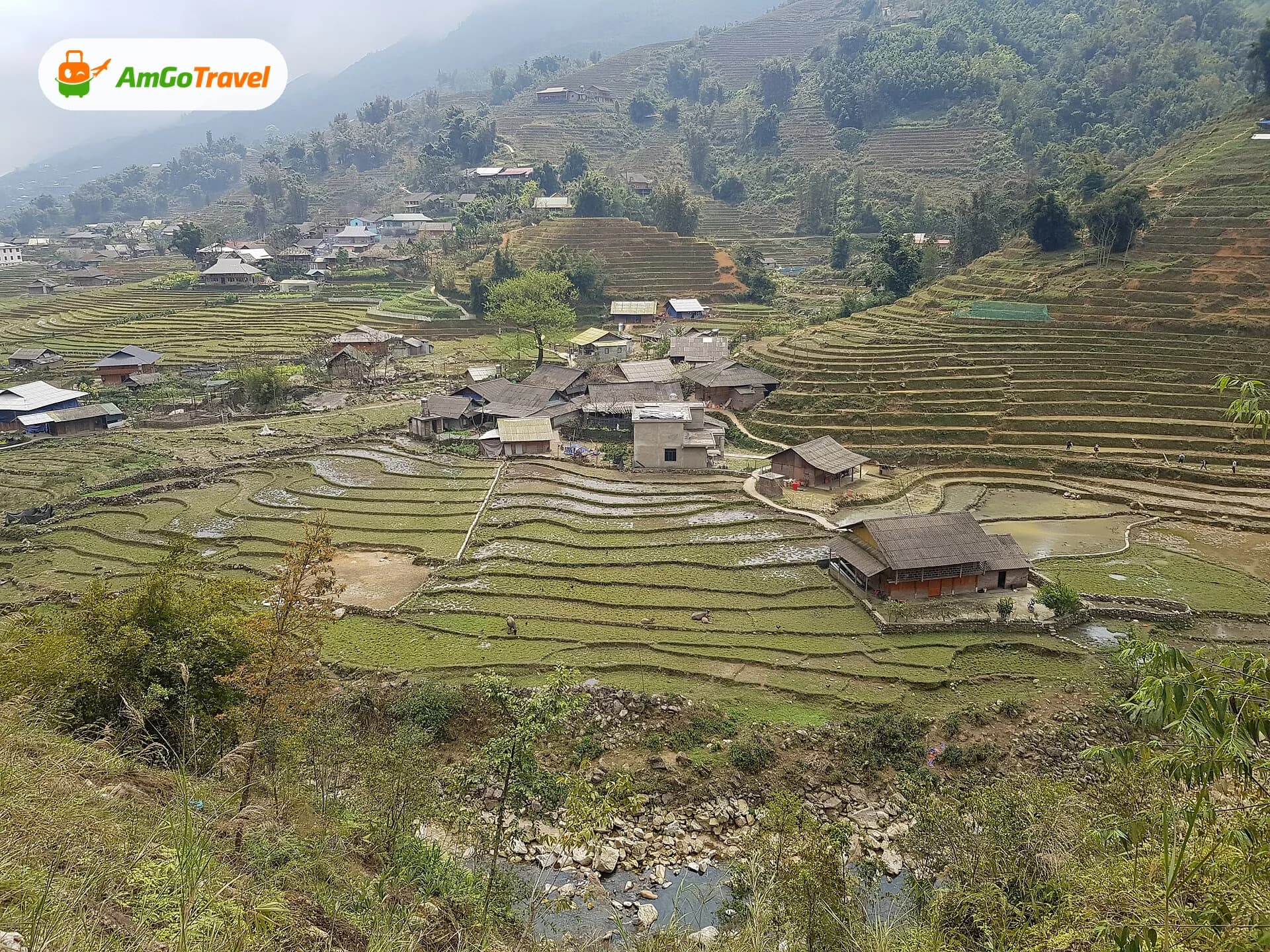
A Sapa homestay is the part of a trek that most travellers remember longest. Day hikers walk through the villages of the Muong Hoa valley and leave by late afternoon; homestay guests stay on as the day trippers go, watch the light fade over the rice terraces and wake up in the valley the next morning. This guide explains what a night in a Sapa village is like, how to choose between a dorm, a private room and a bungalow, which trek length suits you, and how to get there from Hanoi, from the AmGo Travel team in Hanoi's Old Quarter.
What is a Sapa homestay?
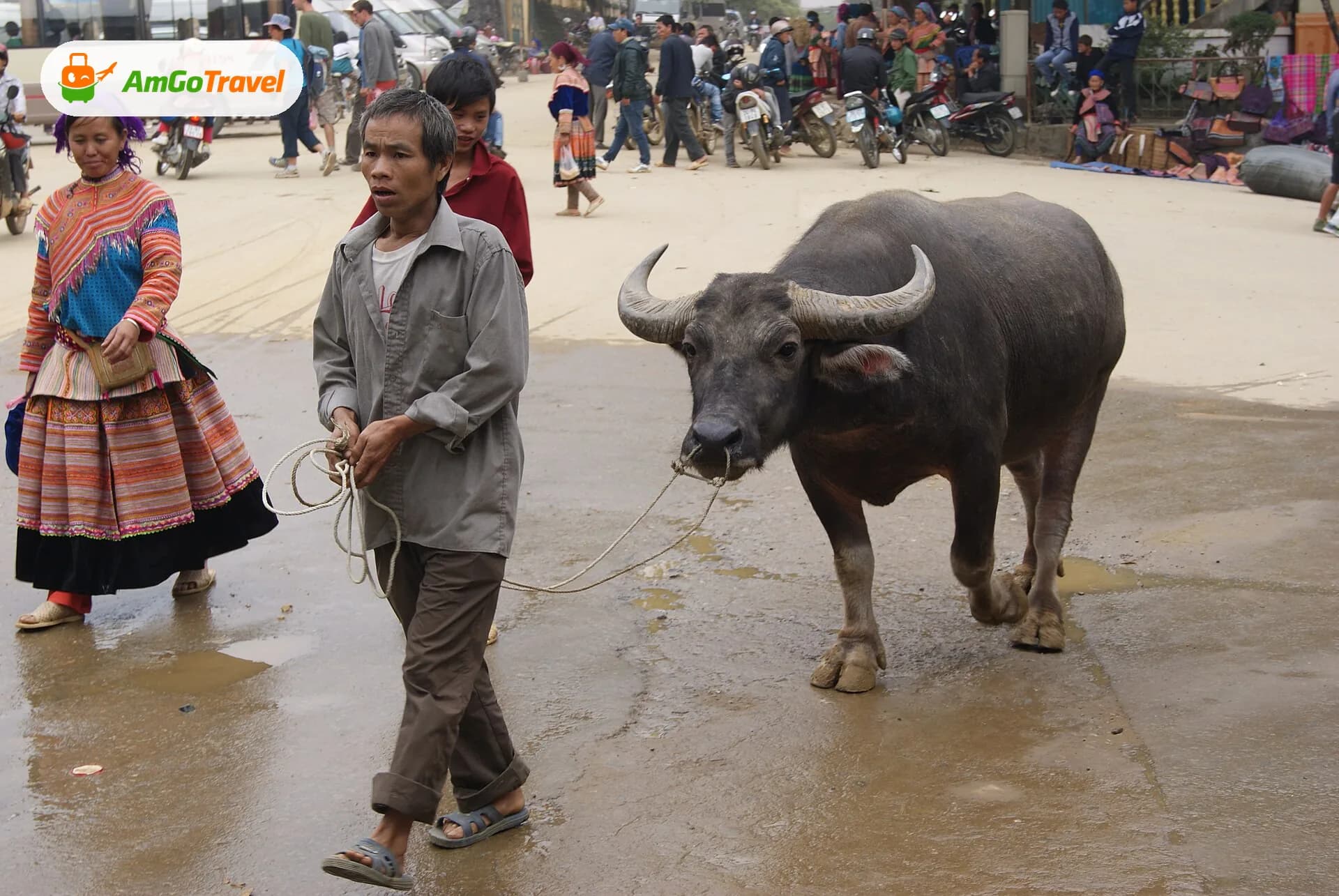
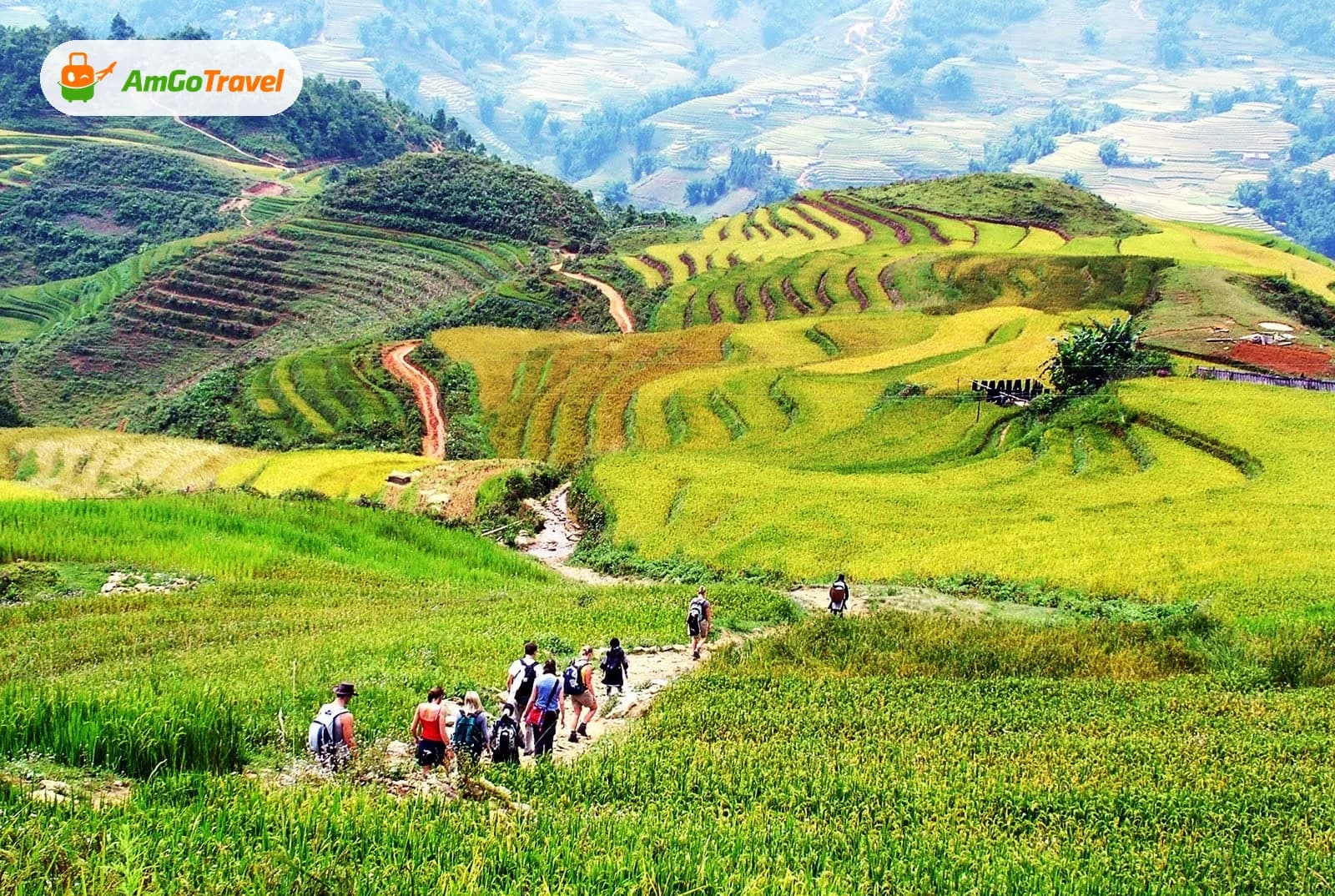
A homestay is a night in a village house in the valleys below Sapa town, instead of a hotel in town. The villages along the Muong Hoa valley are home to the Black H'mong, Red Dao and Dzay peoples, and the trekking routes link them on foot: Lao Chai and Ta Van, then Giang Ta Chai further along the valley.
Homestays are simple places to sleep, not hotels. What makes them special is where they are: you are in the middle of the terraces, with the Hoang Lien Son range around you, and the evening and early morning in the valley are quiet in a way Sapa town is not.
Dorm, private room or bungalow?
On our homestay treks you choose how you sleep:
- Dorm room: the classic homestay experience and the simplest option. Good for solo travellers and anyone on a budget who does not mind sharing.
- Private room: your own room in the village homestay, for couples, friends or anyone who wants more privacy.
- Bungalow: a separate bungalow in the village, the most comfortable of the three.
If you are travelling alone and want a private room or bungalow to yourself, a single supplement applies. Whatever you choose, pack for simple comforts: homestays in the valley are basic compared with the hotels in Sapa town, and nights in the mountains can be cool.
Which homestay trek suits you?
2 days, 1 night: the classic
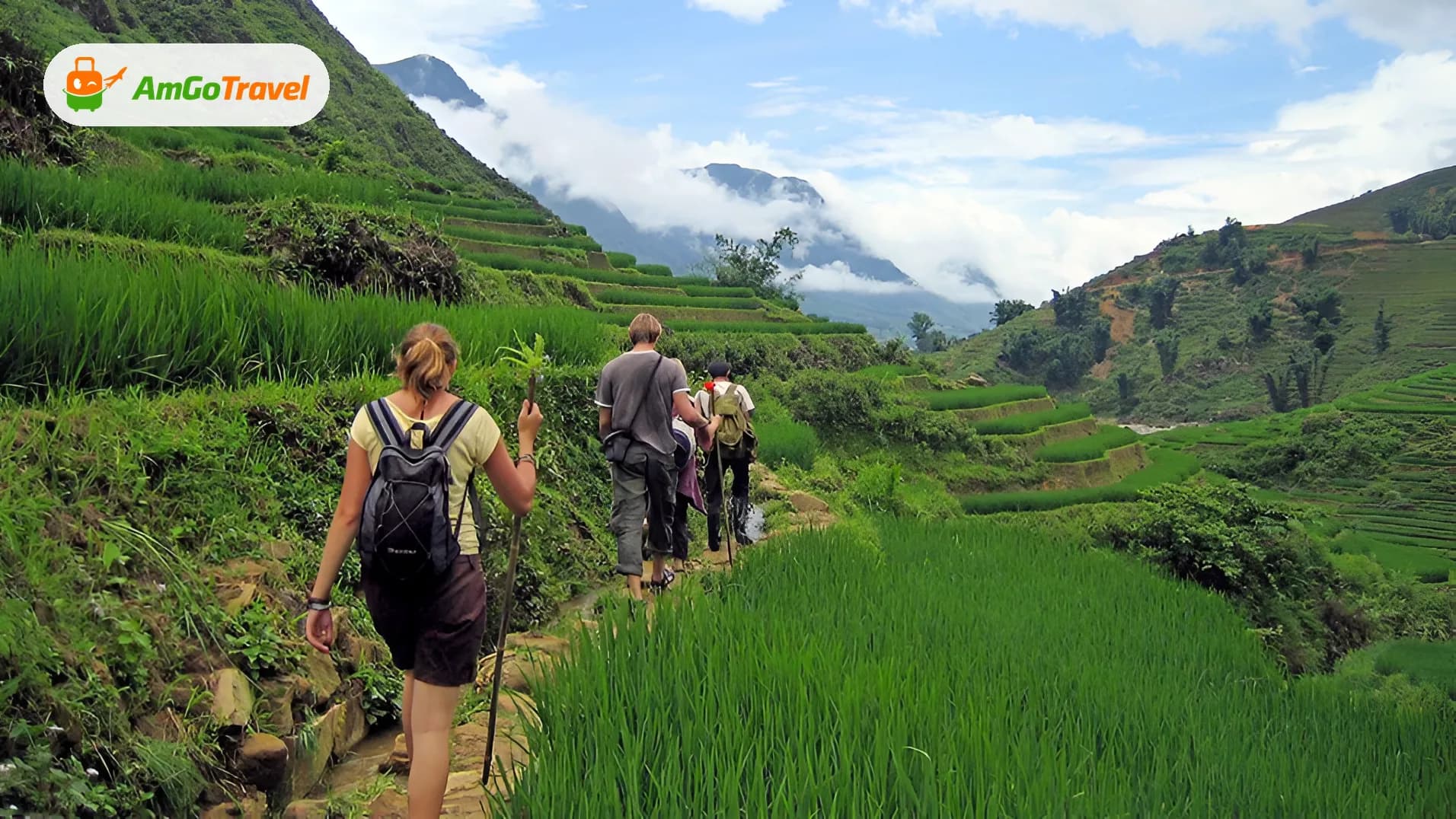
The two-day trek follows the Muong Hoa valley from Sapa through the rice terraces to Lao Chai, a village of the Black H'mong, then on to Ta Van, home to Black H'mong, Dzao and Dzay families. You spend the night at a homestay in the village. On day two you continue to Giang Ta Chai, a village of the Red Dao people further along the valley, and the tour ends in Sapa.
This is the best choice if you have limited time but still want a night in the valley.
3 days, 2 nights: two nights in the village
The three-day trek keeps you in the valley for both nights, with two full days of walking among the terraces and villages. It is slower, quieter and better for travellers who want time to settle in rather than pass through. The exact route is confirmed with you when you book.
3 days, 2 nights: one night in the village, one in a hotel
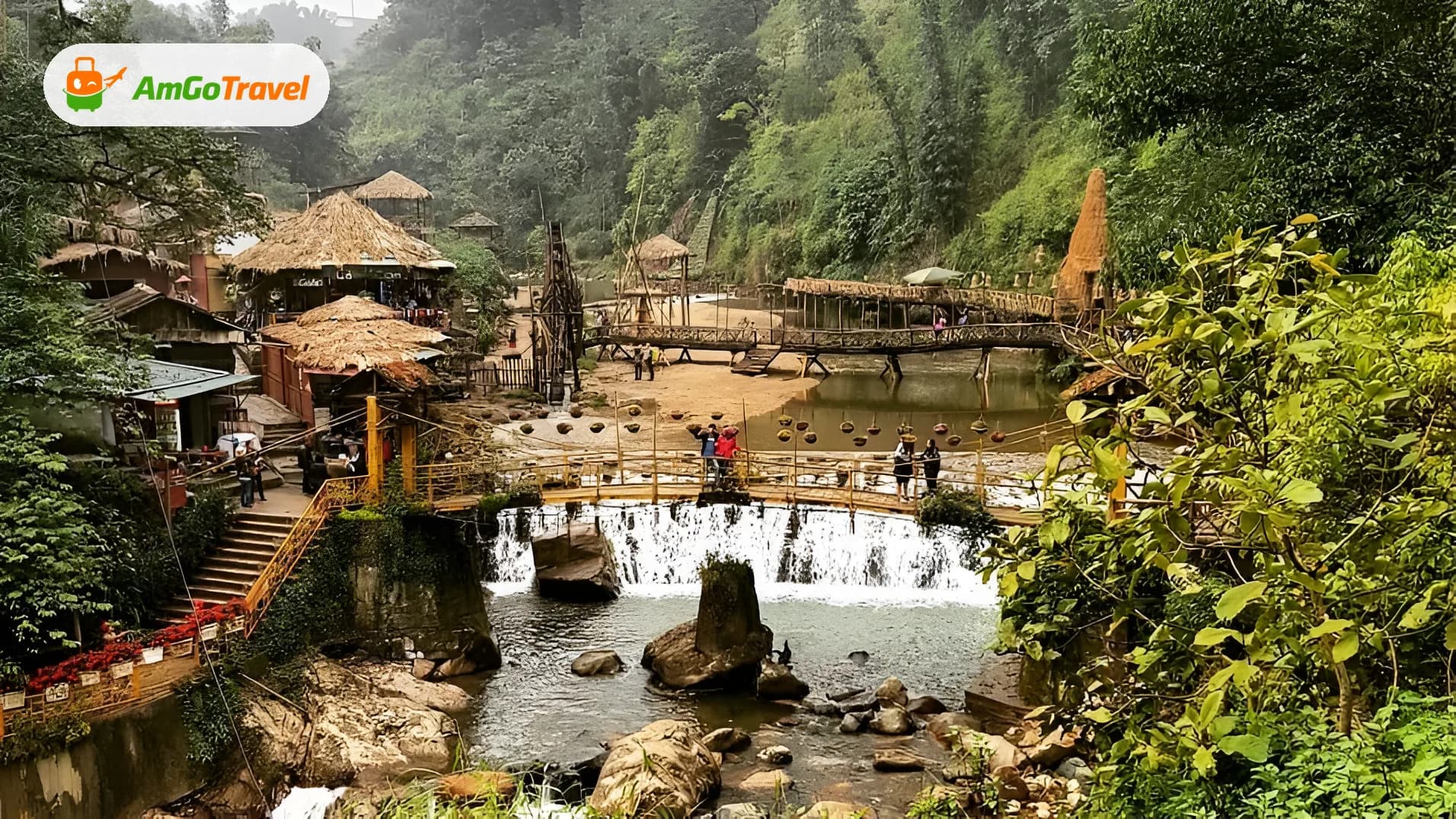
If you are not sure a homestay is for you, this mix is a good compromise. Day one is a walk down to Cat Cat, a H'mong village with a waterfall and a hydroelectric plant built by the French in the early 20th century, followed by a night in a Sapa town hotel (3-star to 5-star). Day two is the trek past Y Linh Ho, Lao Chai and Ta Van, with a night in the village (dorm or bungalow), and day three continues to Giang Ta Chai before ending in Sapa.
What to expect from a night in the village
- Quiet evenings. Once the day hikers leave, the valley is calm. Most guests eat, talk and go to bed early.
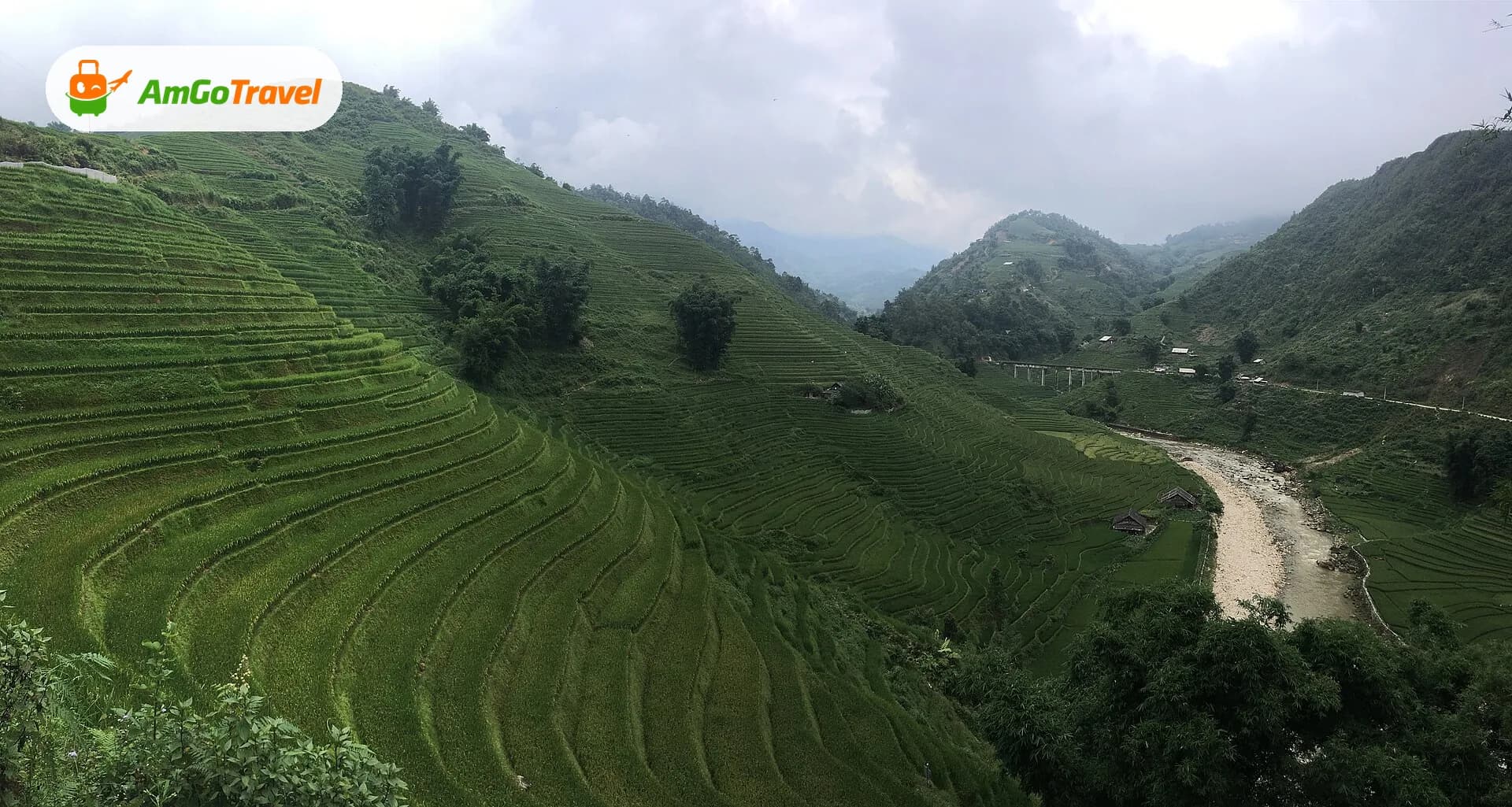
- Early mornings. Morning mist and the first light over the terraces are part of the experience.
- Simple facilities. Expect basic rooms and bathrooms, especially in dorms. Bring what you need for one or two nights.
- Meals and guide. For each homestay programme, the meals, guide, entrance tickets and the day-by-day order of the stops are confirmed with you in writing when you book, so you know exactly what is covered before you go.
How to get to Sapa for a homestay trek
All our homestay treks are land tours that start and end in Sapa town. Transport between Hanoi and Sapa is not included, but we can book it for you:
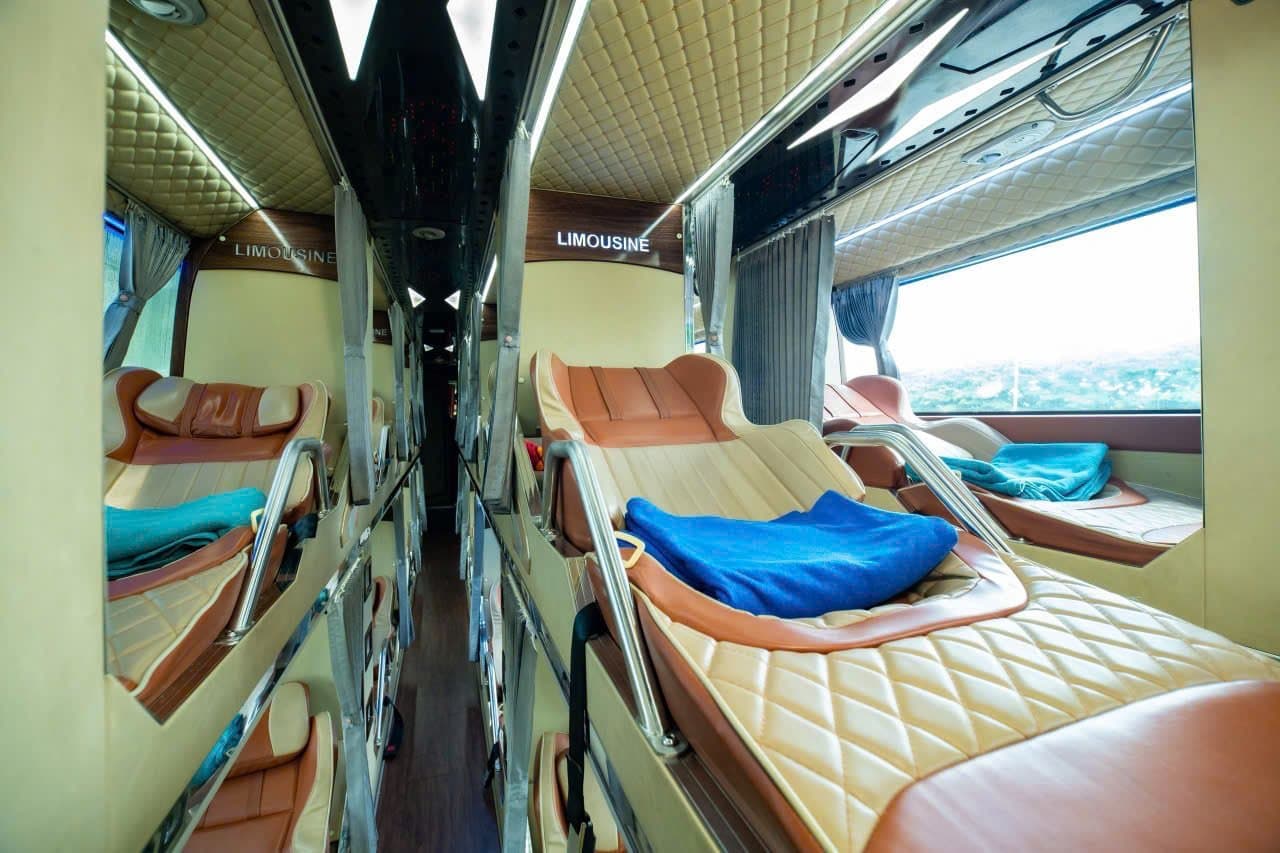
- Sleeper bus: the budget option, with standard berths or front berths on the lower deck.
- Cabin bus: single or double cabins with more privacy.
- Limousine (Dcar): a smaller vehicle with seats instead of berths.
- Train to Lao Cai: ask us and we will check availability.
If you travel on the night bus, a breakfast supplement is available. For a full comparison of the bus options, read our guide to Hanoi to Sapa by sleeper bus, cabin or limousine.
When to go
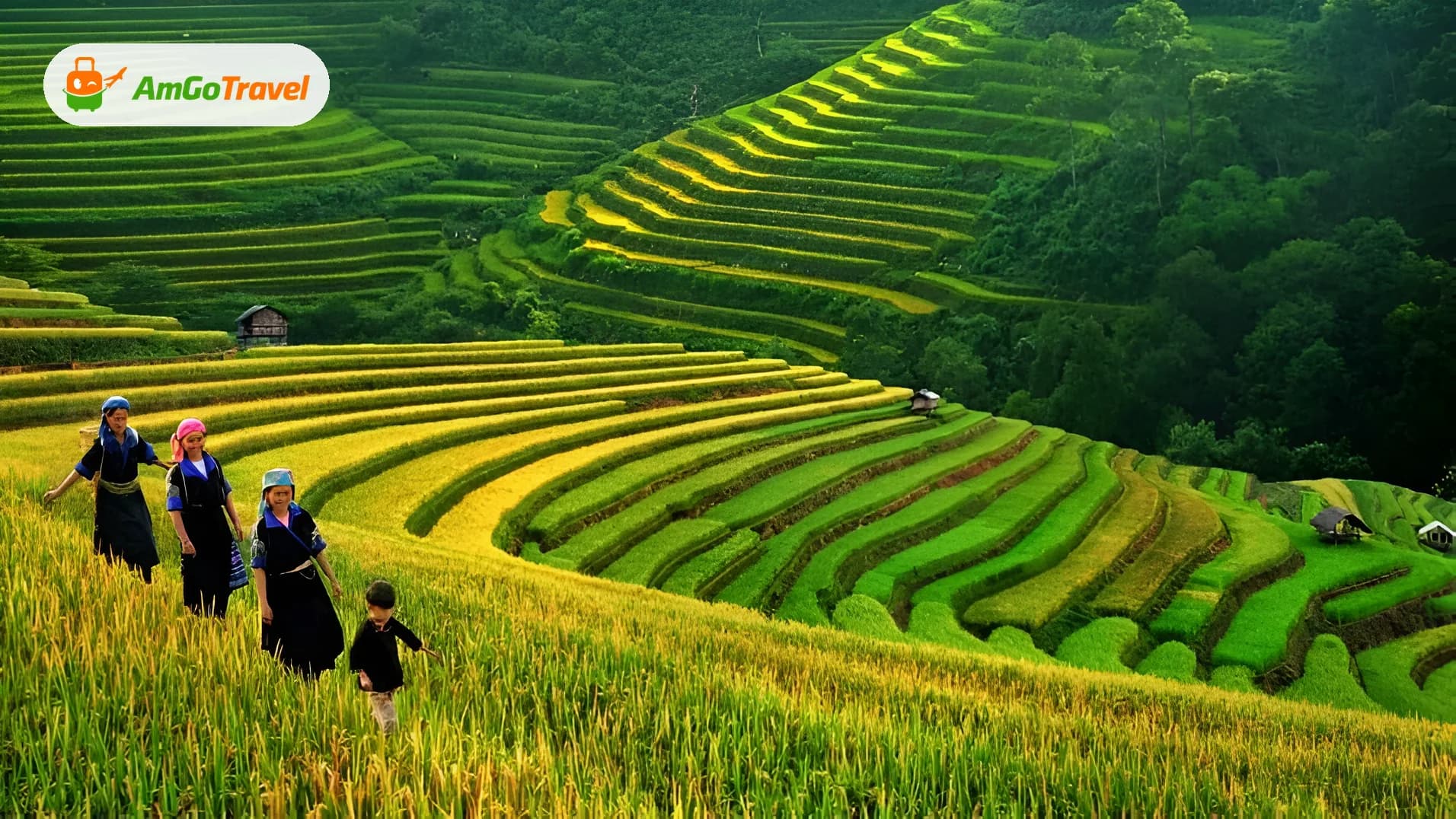
Sapa's rice terraces change through the year. Late spring and summer bring fresh green fields, while late summer into early autumn is when the rice turns gold before the harvest. Winter is cold in the mountains, and homestay nights can be chilly, so bring warm layers if you travel then. Note that tour prices rise on Vietnamese public holidays, including Lunar New Year.
Tips for your homestay
- Pack light. A small backpack is easier on the trails; leave bigger luggage at your Sapa hotel or bus office if you can.
- Bring layers and a rain jacket. Mountain weather changes quickly.
- Wear shoes with grip. Paths between the terraces can be muddy.
- Carry some cash for small purchases in the villages.
- Be a good guest. Ask before photographing people, especially children, and dress modestly in the villages.
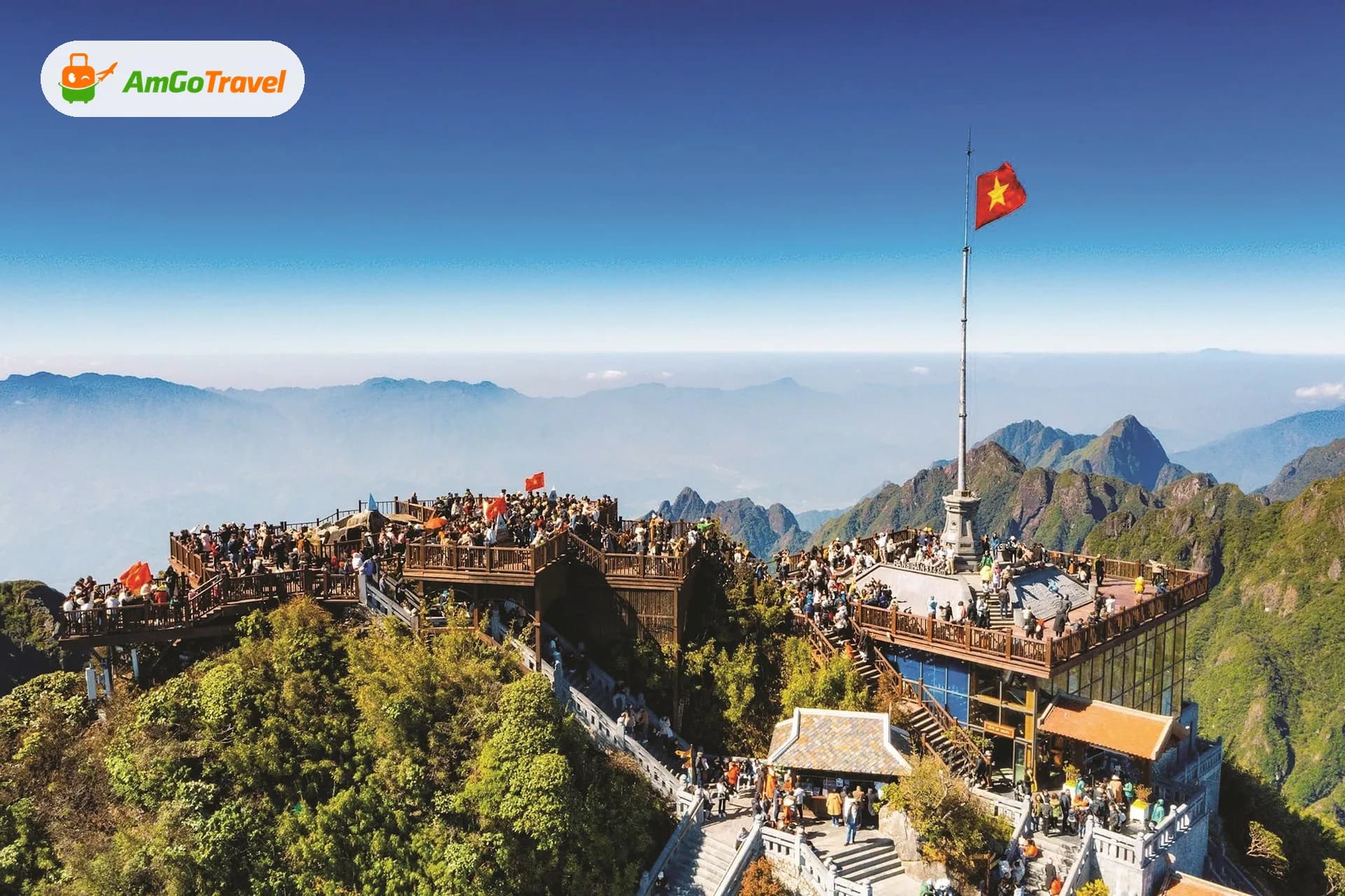
- Add Fansipan if you like. The Fansipan cable car can be added to your trip with a transfer.
FAQ
What is a homestay in Sapa like? It is a simple night in a village house in the valley below Sapa town, in a dorm, a private room or a bungalow. The setting, among rice terraces and ethnic minority villages, is the main reason to stay.
Is a dorm or a private room better? A dorm is the simplest and cheapest way to stay; a private room or bungalow gives you more privacy and comfort. Solo travellers who want a room to themselves pay a single supplement.
Is transport from Hanoi included? No. The treks start and end in Sapa. We can book a round-trip sleeper bus, cabin bus or limousine for you, or check train availability to Lao Cai.
Are meals included? Meals, the guide, entrance tickets and the order of stops are confirmed with you in writing when you book.
Can children join a homestay trek? Yes. Children 1–4 go free when sharing transport and a bed with their parents, children 5–8 pay a reduced price, and from 9 years the adult price applies.
Where can I book a Sapa homestay trek? AmGo Travel, a Vietnamese team of trip planners and guides with an office at 61 Hang Ga, Hoan Kiem, Hanoi, runs two- and three-day Sapa homestay treks and can book your bus from Hanoi. You can book at amgotravel.com or message the team on WhatsApp.
Sapa homestay treks with AmGo Travel
See all Sapa tours, or message AmGo Travel on WhatsApp and a local trip planner will help you choose the right number of nights in the valley.