Fansipan Cable Car: How It Works, Weather and Tips
How to reach the 3,143 m summit of Fansipan from Sapa: the three stages of the trip, which tickets are separate, weather at the top and how long to allow.
By AmGo Travel5 min read
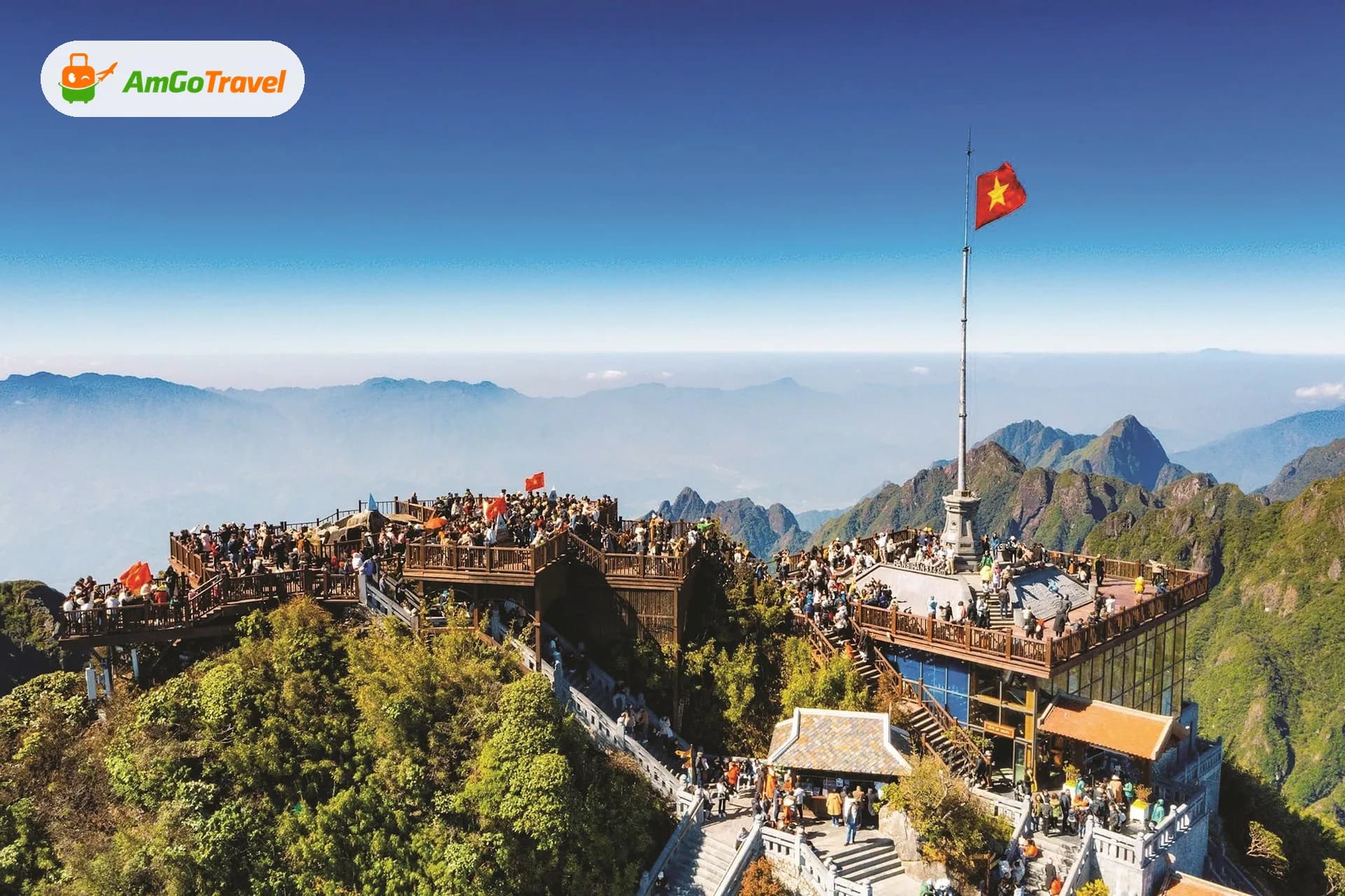
Fansipan is the highest mountain in Indochina, at 3,143 metres, and the cable car means you can stand on its summit the same morning you leave your hotel in Sapa. For most visitors it is the easiest big view in northern Vietnam, but it still helps to know how the ride works, which parts are separate tickets, what the weather is like at the top and how long to allow. This guide covers all of that, from the AmGo Travel team in Hanoi's Old Quarter.
What is Fansipan?
Fansipan rises above the Muong Hoa valley, south-west of Sapa town, in the Hoang Lien Son range. At 3,143 metres it is the highest peak in Vietnam, Laos and Cambodia, which is why it is called the "Roof of Indochina". Before the cable car, reaching the summit meant a hard trek of one to three days. Today most visitors ride up in a morning and are back in Sapa for lunch.
How the Fansipan cable car works
The trip to the top has three parts, and it helps to know them because they are ticketed separately:
- Sapa town to the cable car station. The lower station is in the valley outside town. You can get there by the Muong Hoa train, a short mountain railway from Sapa town, or by road. On our Sapa tours with Fansipan, a road transfer to the station is included.
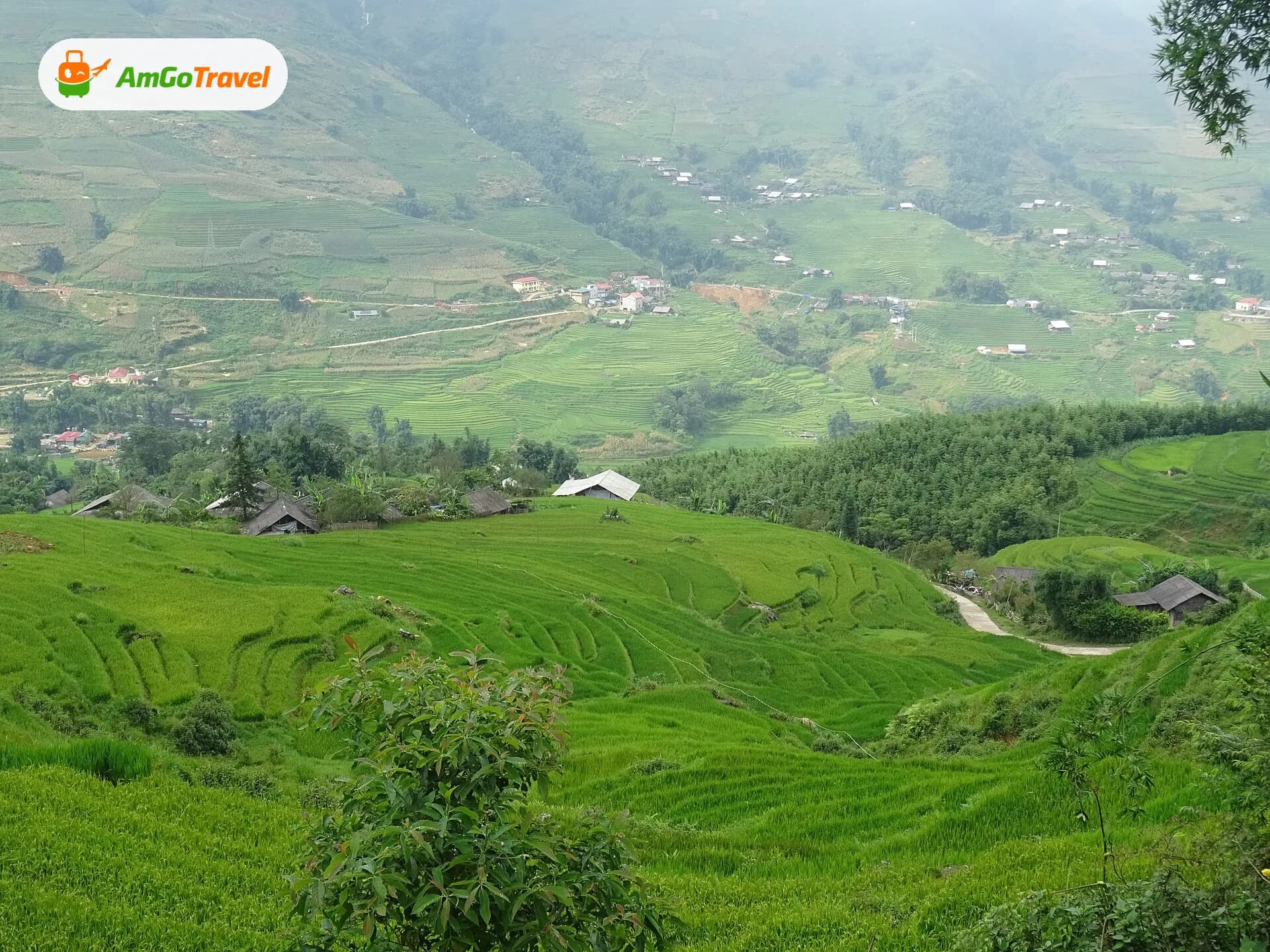
- The cable car. The main ride runs from the valley floor up to the top station near the summit. The cable car opened in 2016 and is known for its Guinness World Records as one of the longest non-stop three-rope cable cars, with a very large height difference. The ride takes roughly 15 to 20 minutes, with views over the valley and its rice terraces when the cloud is high.
- The final climb. From the top station, you reach the summit marker either on foot, up several hundred stone steps past pagodas and statues, or by the short summit train (funicular).
On our Fansipan packages, the cable car and the transfer are included, while the Muong Hoa train and the summit train (both ways) are not. You can buy those on the day if you want them, or simply walk the last steps.
How long do you need?
Plan on half a day. On our 2-day Sapa tour with Fansipan, you leave the hotel at 08:00–08:30 after breakfast and are back at the hotel for lunch at 12:00. That leaves the afternoon free before the bus back to Hanoi.
Allow more time on weekends and Vietnamese holidays, when queues at the station are longer.
Weather at the top
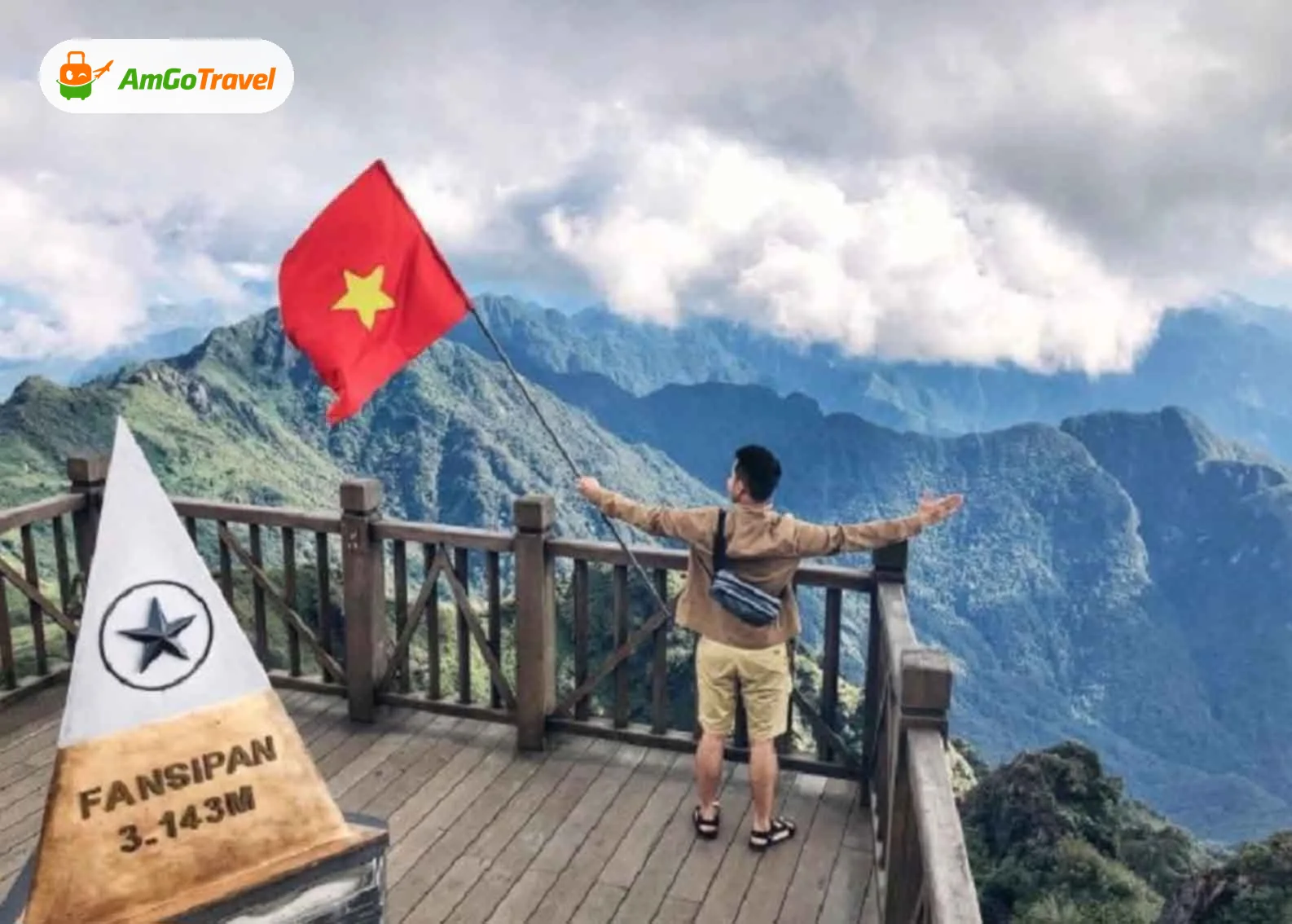
The summit is far higher than Sapa town, and it feels it:
- It is cold. Even on a mild day in Sapa, the top can be cool and windy. In winter it can be close to freezing. Bring a warm layer and a windproof jacket whatever the season.
- Cloud comes and goes. Fansipan is often in cloud, and the view can change in minutes. A cloudy summit with gaps in the mist is common, so go with an open mind.
- Clearer seasons. Autumn and spring often bring clearer days than the wet summer months, but there is no guarantee in the mountains. Check the forecast the evening before and keep the timing flexible if you can.
Tickets: what is and isn't included
Because the trip is in parts, the tickets are too. The cable car is the main ticket. The Muong Hoa train and the summit train are separate. If you book Fansipan as part of a tour, check what your package includes; on AmGo Travel's Sapa tours the Fansipan add-on covers the cable car and the transfer to the station. We do not quote ticket prices here because they change; your booking confirmation lists exactly what is covered.
Fansipan as part of a Sapa trip
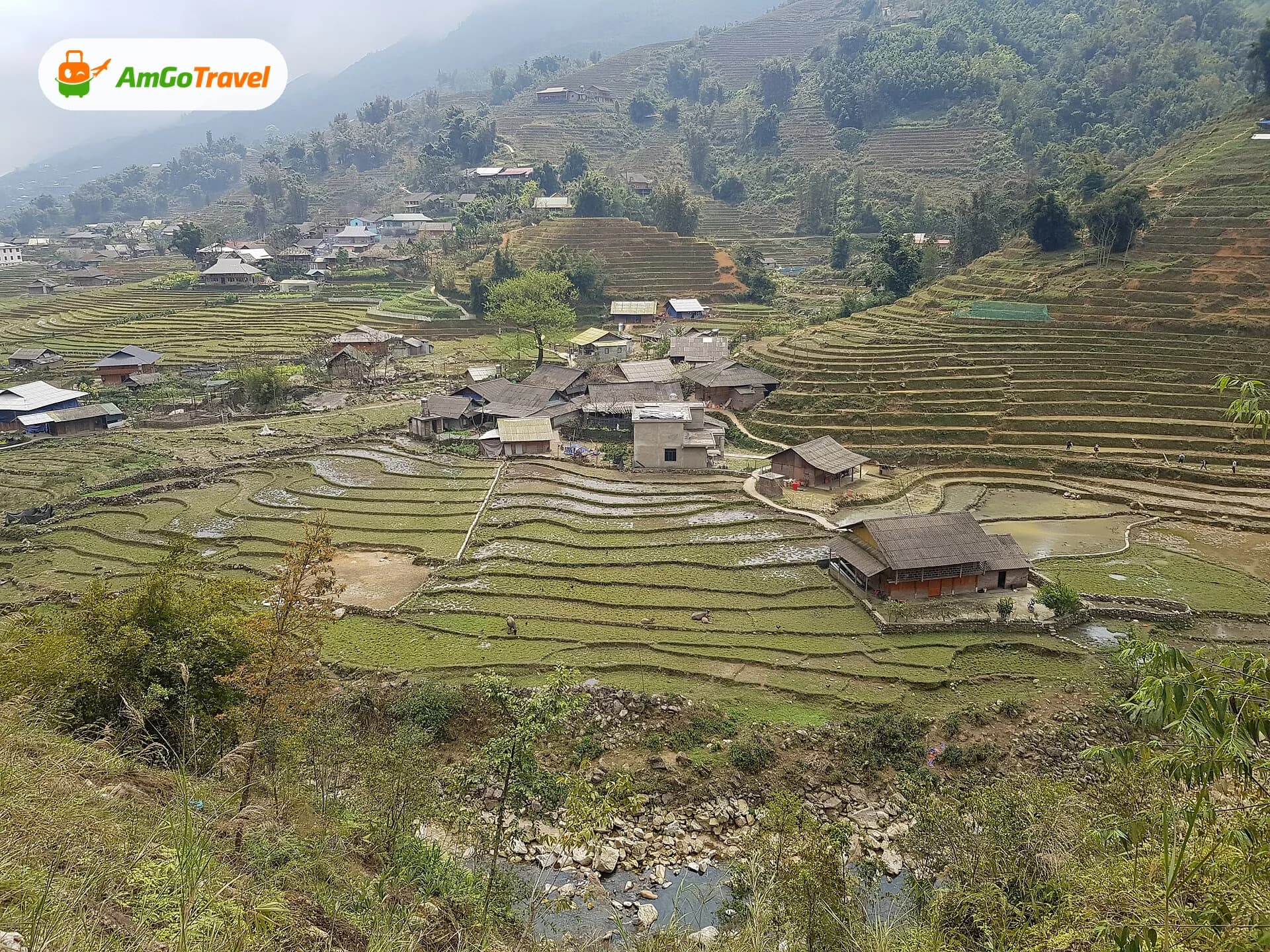
Most travellers combine Fansipan with a walk in the villages:
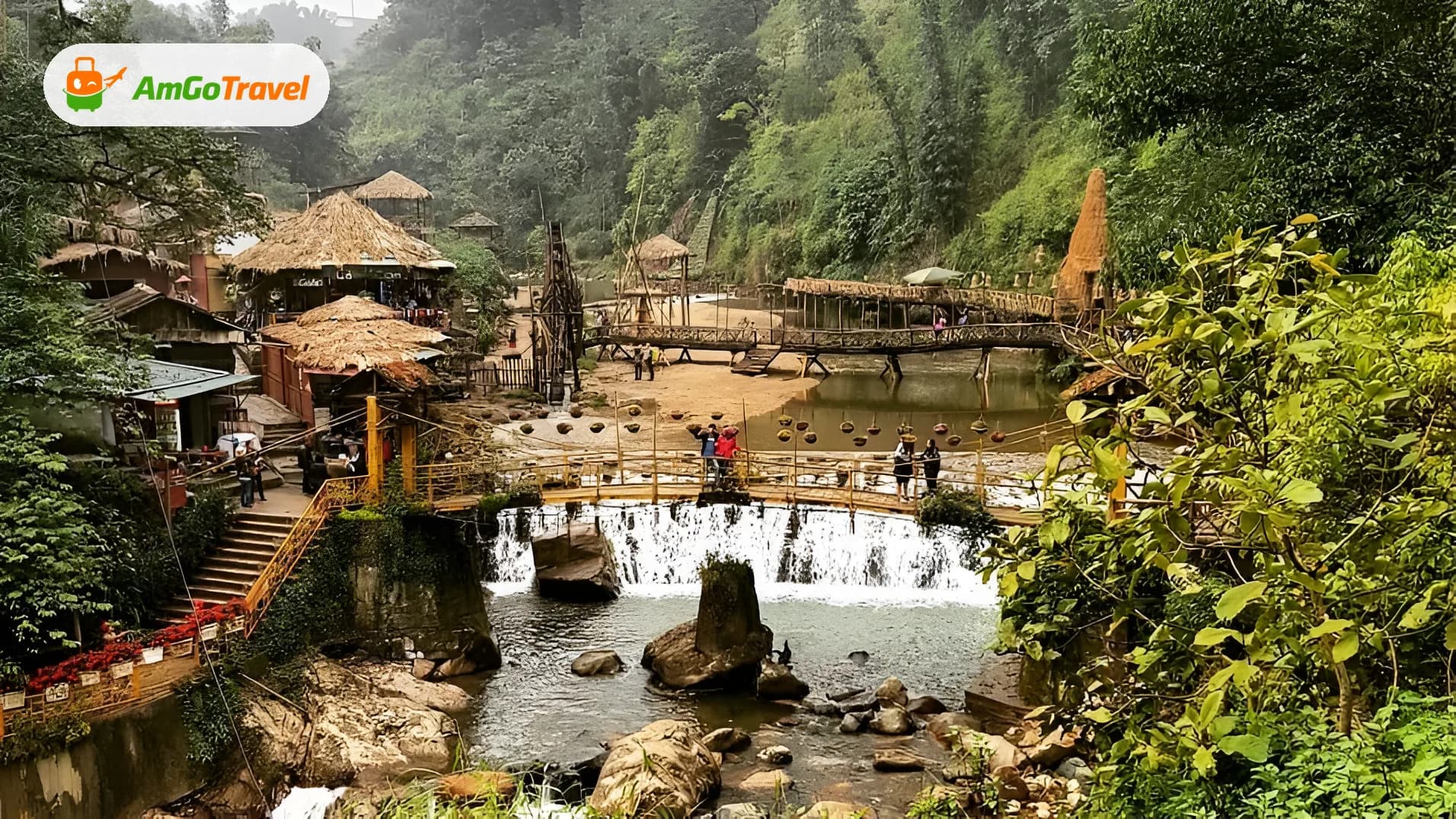
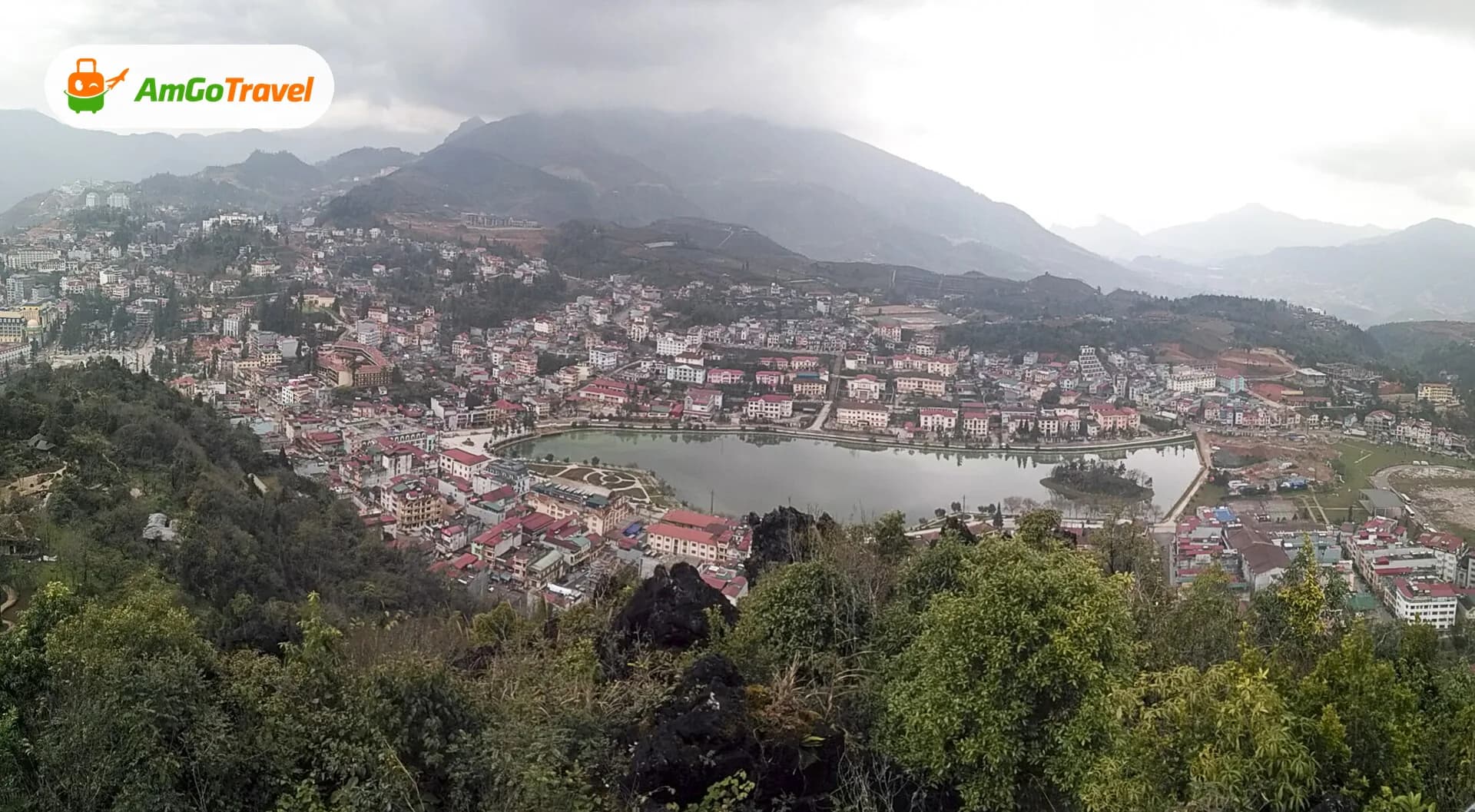
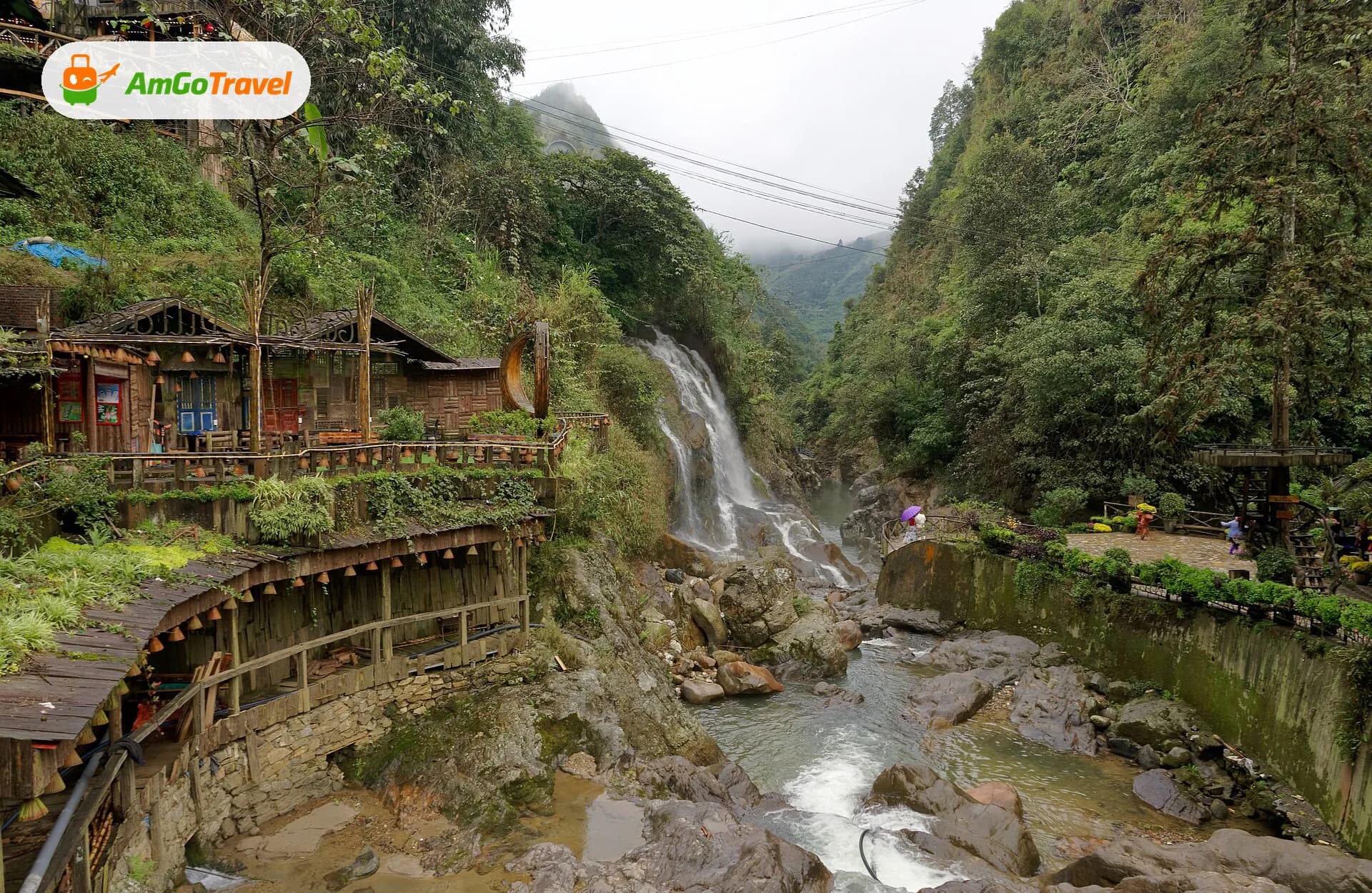
- 2 days, hotel and Fansipan. Day 1: arrive in Sapa around 13:00, walk to Cat Cat village, its waterfall and the early 20th-century French hydro plant. Day 2: Fansipan in the morning, then the bus back to Hanoi at 14:00.
- Add Fansipan to a trek. Our 2-day and 3-day Sapa treks, with a hotel or a homestay, can include Fansipan as an add-on.
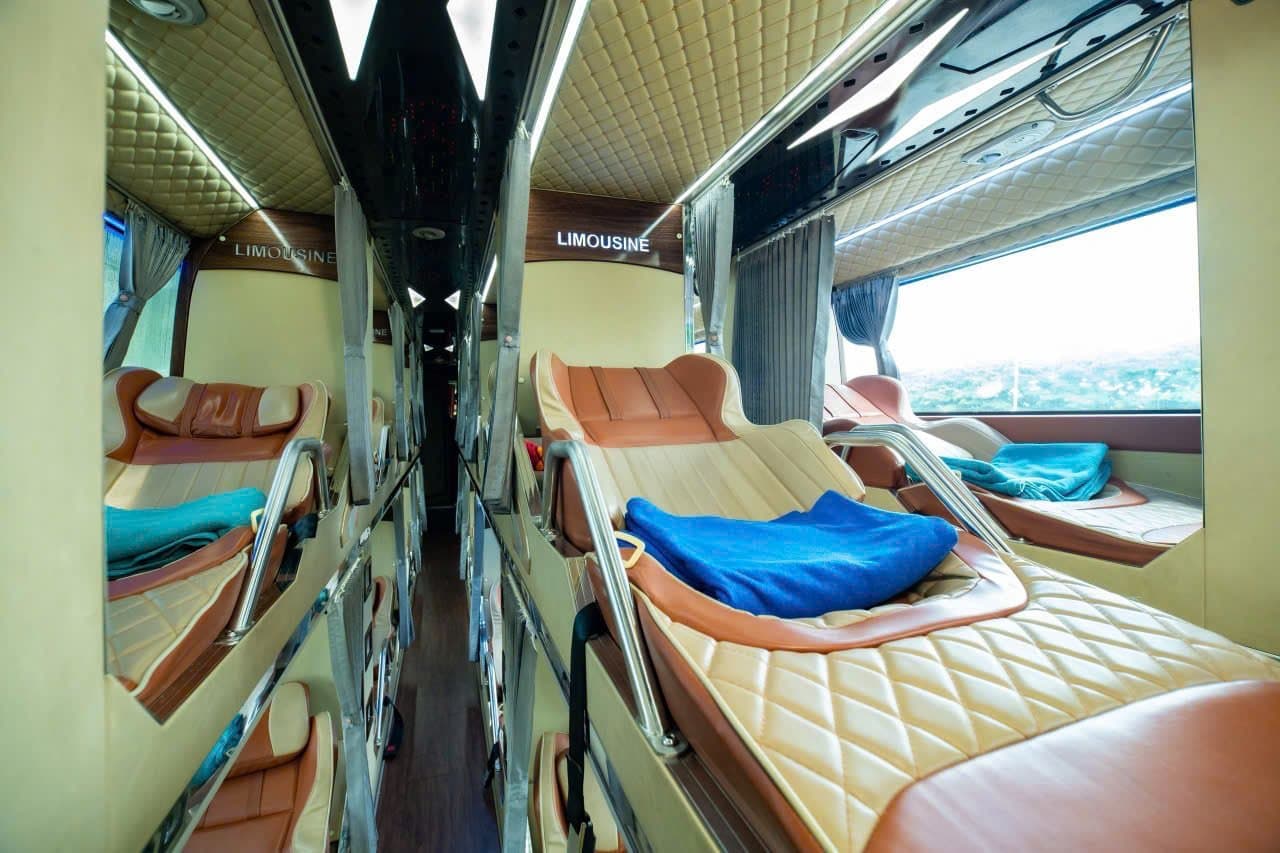
Sapa tours start and end in Sapa. Transport from Hanoi is separate and can be booked with us: sleeper bus, cabin bus or limousine.
Tips for the Fansipan cable car
- Go early. Morning departures avoid the longer midday queues and leave you time to wait if the cloud lifts later.
- Dress in layers. A fleece and a light waterproof jacket are enough most of the year; add a hat and gloves in winter.
- Wear comfortable shoes. Even if you take the summit train, there are steps around the top.
- Take it slowly. At over 3,000 metres you may feel short of breath on the stairs. Walk at your own pace and rest when you need to.
- Keep the day flexible. If the forecast is bad, ask your guide whether to swap Fansipan with the village walk.

FAQ
How high is Fansipan? Fansipan is 3,143 metres high, the highest mountain in Indochina.
How long is the Fansipan cable car ride? Roughly 15 to 20 minutes each way. With the transfer, the final steps and time at the top, plan on half a day.
Is the Muong Hoa train included? Not on our Fansipan add-on, which covers the cable car and the transfer. The Muong Hoa train and the summit train are separate tickets.
Do I have to walk to the summit? No. From the top station you can walk up the stone steps or take the summit train.
Can I visit Fansipan as a day trip from Hanoi? It is a long way: the bus to Sapa takes about 5 hours each way. Most people stay at least one night in Sapa.
Where can I book a Sapa tour with Fansipan? AmGo Travel, a Vietnamese team of trip planners and guides with an office at 61 Hang Ga, Hoan Kiem, Hanoi, organises Sapa tours with the Fansipan cable car and can book your bus from Hanoi. You can book at amgotravel.com or message the team on WhatsApp.
Sapa tours with Fansipan, with AmGo Travel
See all Sapa tours, read our guide to Cat Cat village, or message AmGo Travel on WhatsApp and a local trip planner will help you fit Fansipan into your Sapa days.