Best Time to Visit Sapa: Rice Terraces Month by Month
Water-filled terraces in May, green in summer, gold in September, clear trekking days in November and misty winters: what Sapa looks like in every season.
By AmGo Travel5 min read
Sapa sits at about 1,500 metres in the Hoang Lien Son mountains, so it is cooler than Hanoi all year and its weather changes with the seasons more than most of Vietnam. There is no bad month to go, but each one gives you a different Sapa: water-filled terraces in May, deep green in summer, gold before the harvest in September, clear trekking days in late autumn and cold, misty mornings in winter. This month-by-month guide comes from the AmGo Travel team in Hanoi's Old Quarter.
The best time to visit Sapa at a glance
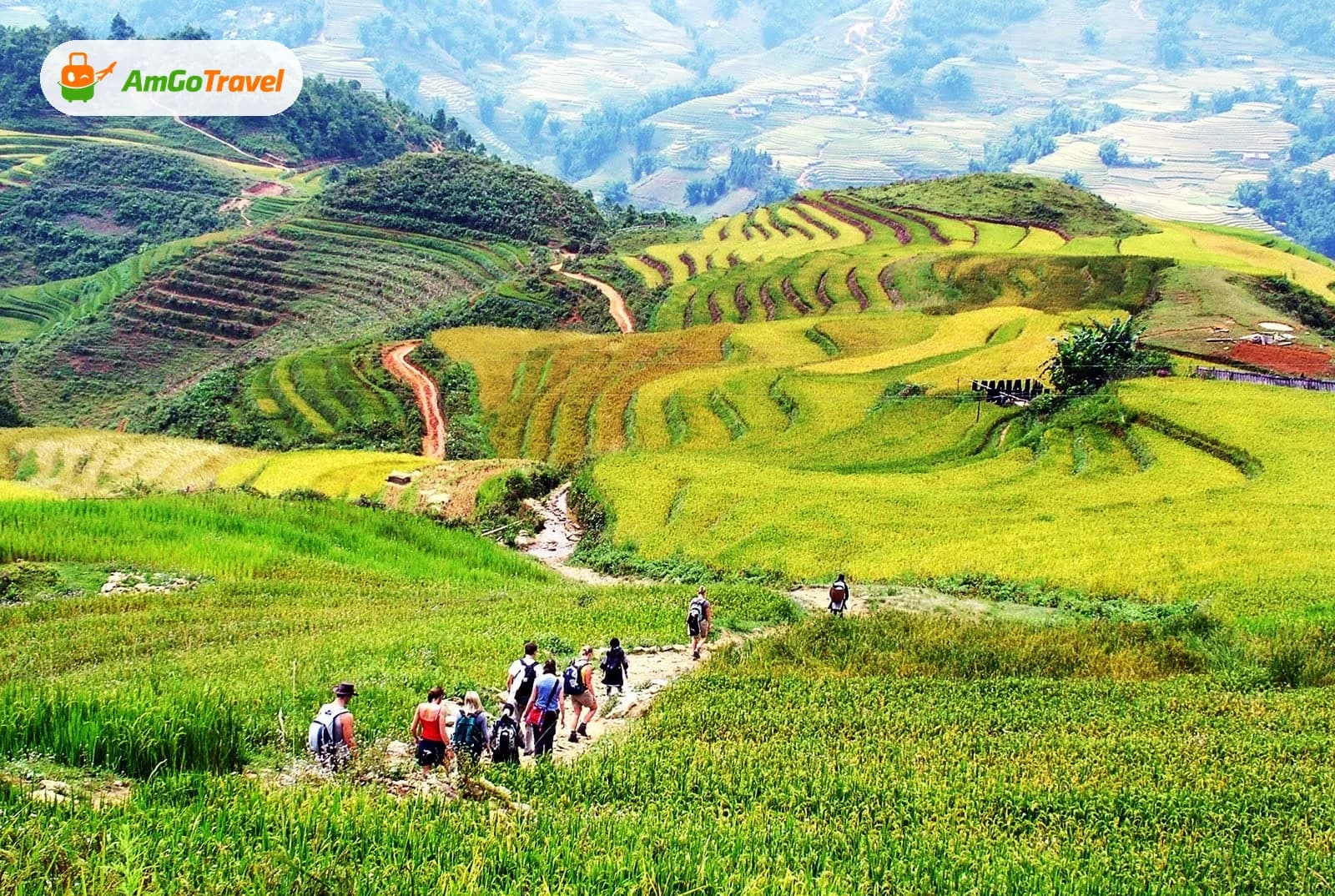
- For golden rice terraces: from mid-September to early October, just before the harvest.
- For water-filled "mirror" terraces: May, and in some valleys late April and early June, when the fields are flooded for planting.
- For green terraces: June to August, with more rain and muddier paths.
- For clear trekking weather: late October and November, after the harvest, when the air is dry and cool.
- For cold and mist (and fewer people): December to February, when nights can drop close to freezing.
- For blossom: February and March, when peach and plum trees flower around the Lunar New Year.
Sapa month by month
March to May: spring and the mirror season
Spring is mild and often clear, a good time for walking. Fruit trees flower early in the season, and from late April the terraces are filled with water for planting. In May the valleys of Lao Chai and Ta Van turn into steps of water that reflect the sky, and you see families working in the fields. It is one of the most photogenic times of the year, and less crowded than September.
June to August: green terraces, more rain
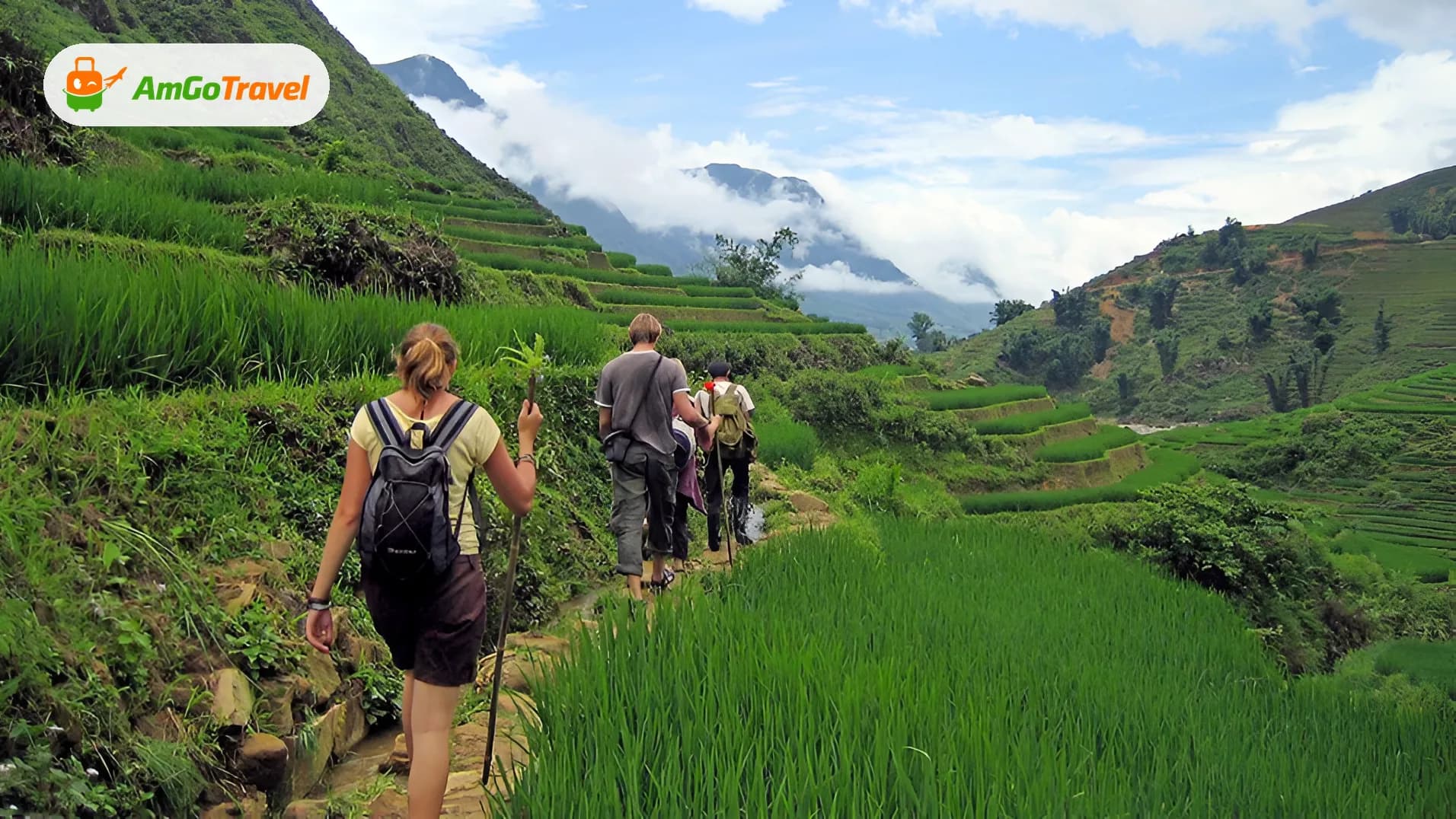
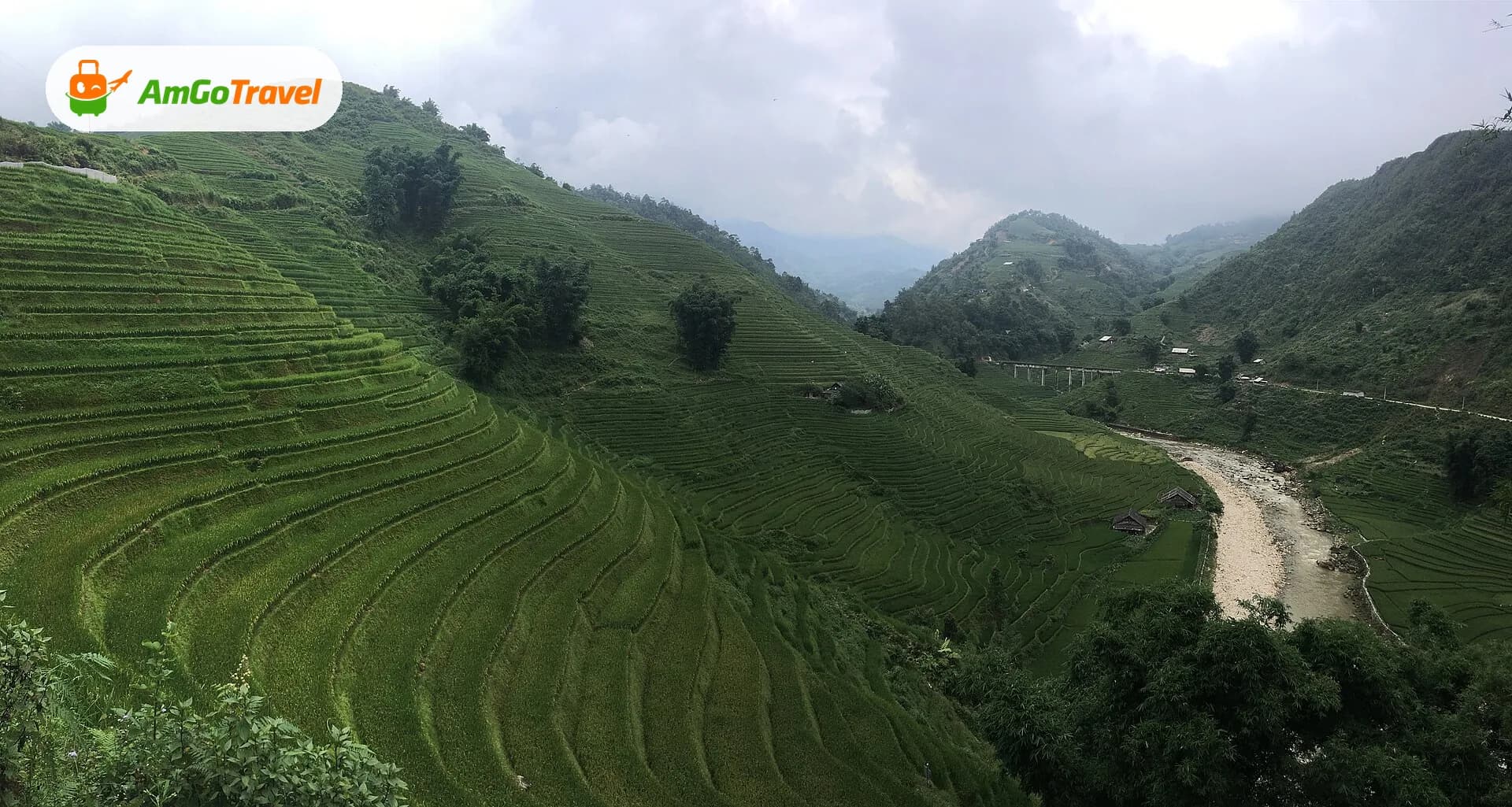
Summer is the warmest season and the rice grows tall and bright green. It is also the wettest time of year, with heavy showers that usually come in the afternoon. Trails through the terraces get muddy and slippery, so good shoes matter more than ever, and clouds can hide the peaks. If you don't mind some rain, the colours are at their richest.
September to early October: the golden season
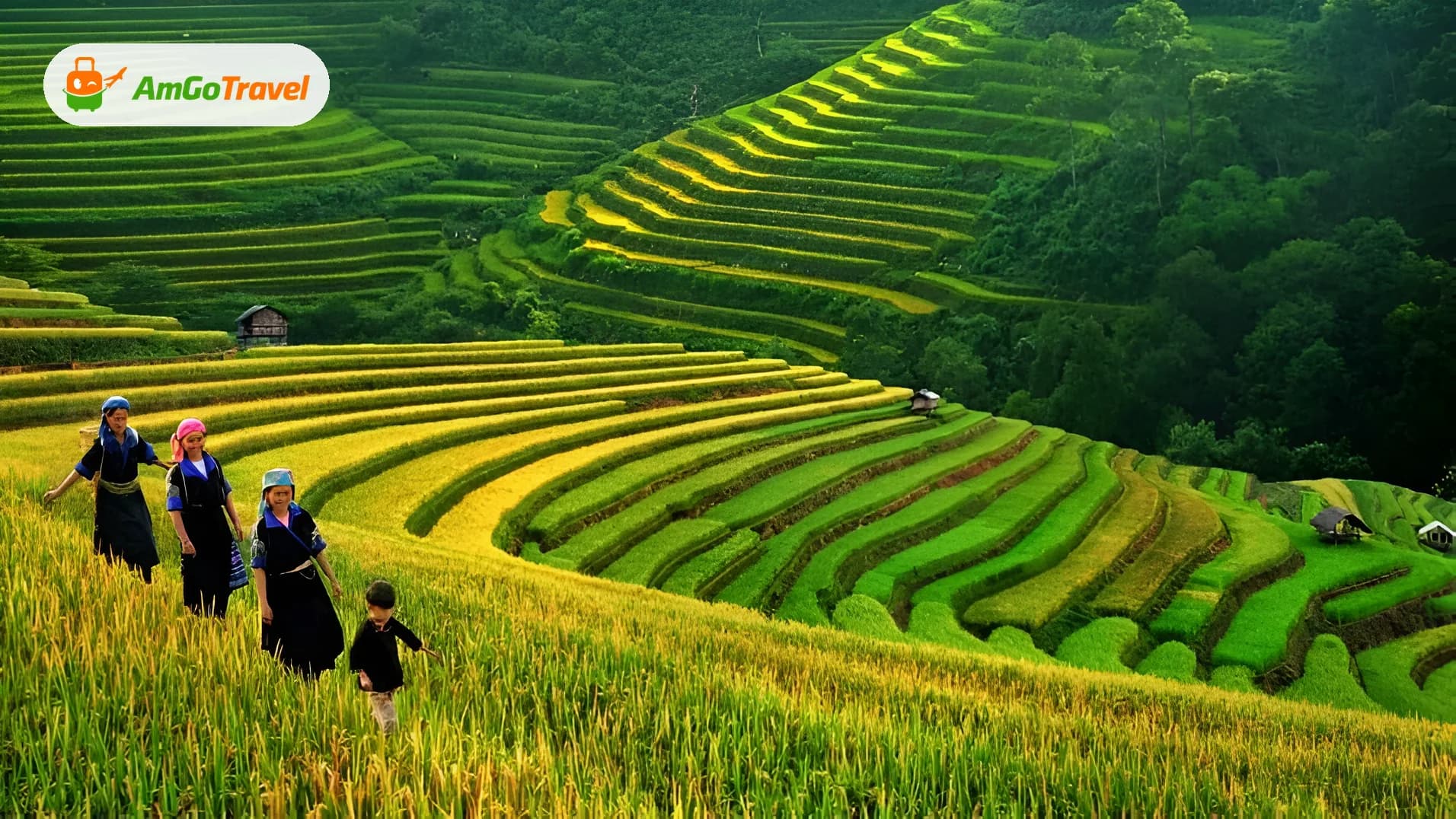
This is the season most people picture when they think of Sapa. The rice turns gold from mid-September, and the harvest usually runs to early October, so the window is short and depends on the year and the valley. It is the busiest time in town and in the homestays, so book early if your dates are fixed.
Late October and November: clear days for trekking
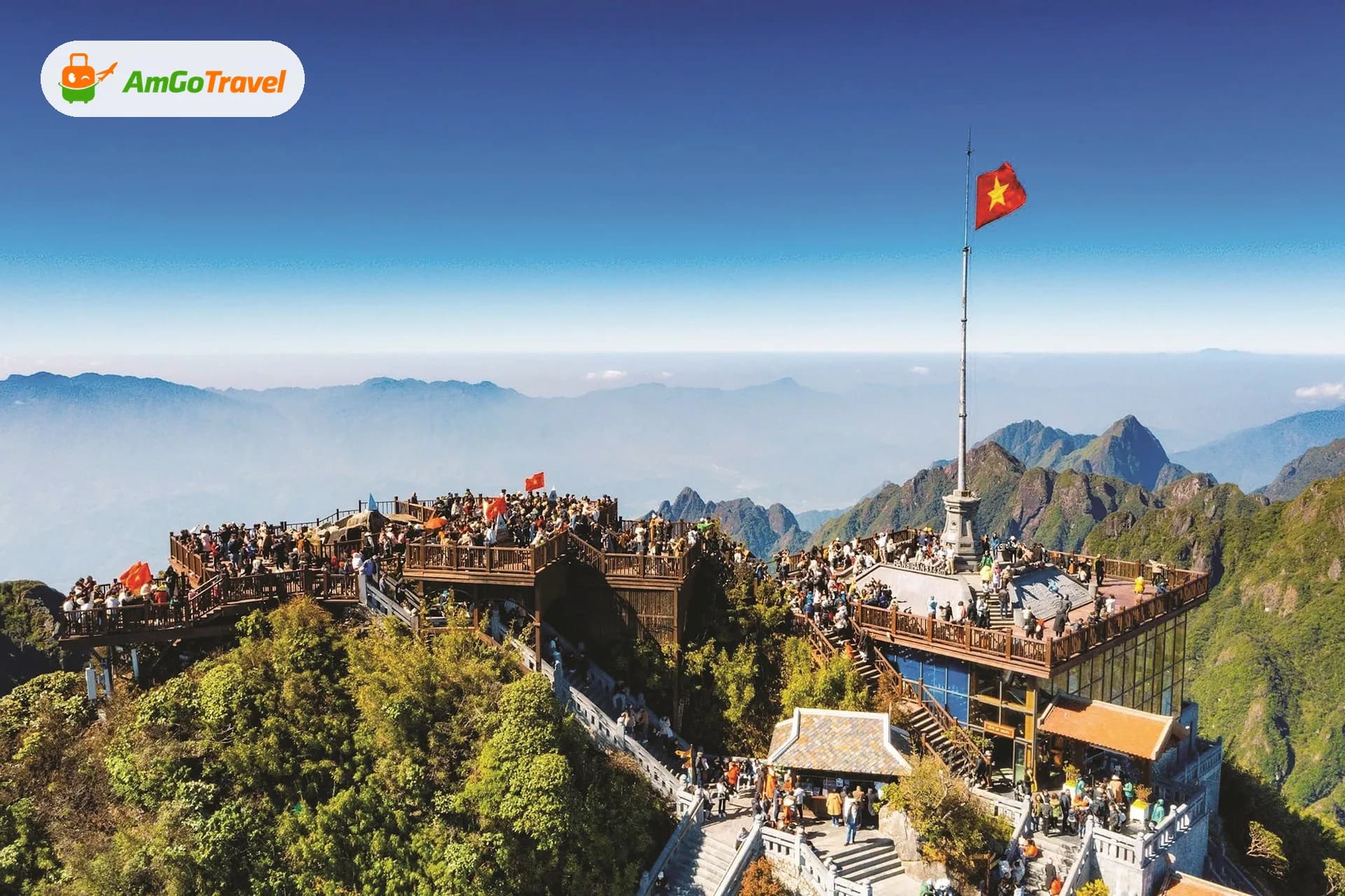
After the harvest the fields are cut and brown, but the weather is often at its best for walking: dry, cool and clear, with long views over the Muong Hoa valley. It is also a good time for the Fansipan cable car, because the summit is less often in cloud than in summer.
December to February: cold, misty winter
Winter in Sapa is cold. Days are often grey and foggy, and nights can fall close to zero; frost appears on the highest ground in some years, and snow is rare but possible. Homestays are simple and not all rooms are heated, so warm layers are essential. The reward is a quiet Sapa with a moody, misty landscape and very few groups on the trails.
Which season suits which trip?
- A day trek from Sapa: any month, but late October to November and March to May give the driest paths.
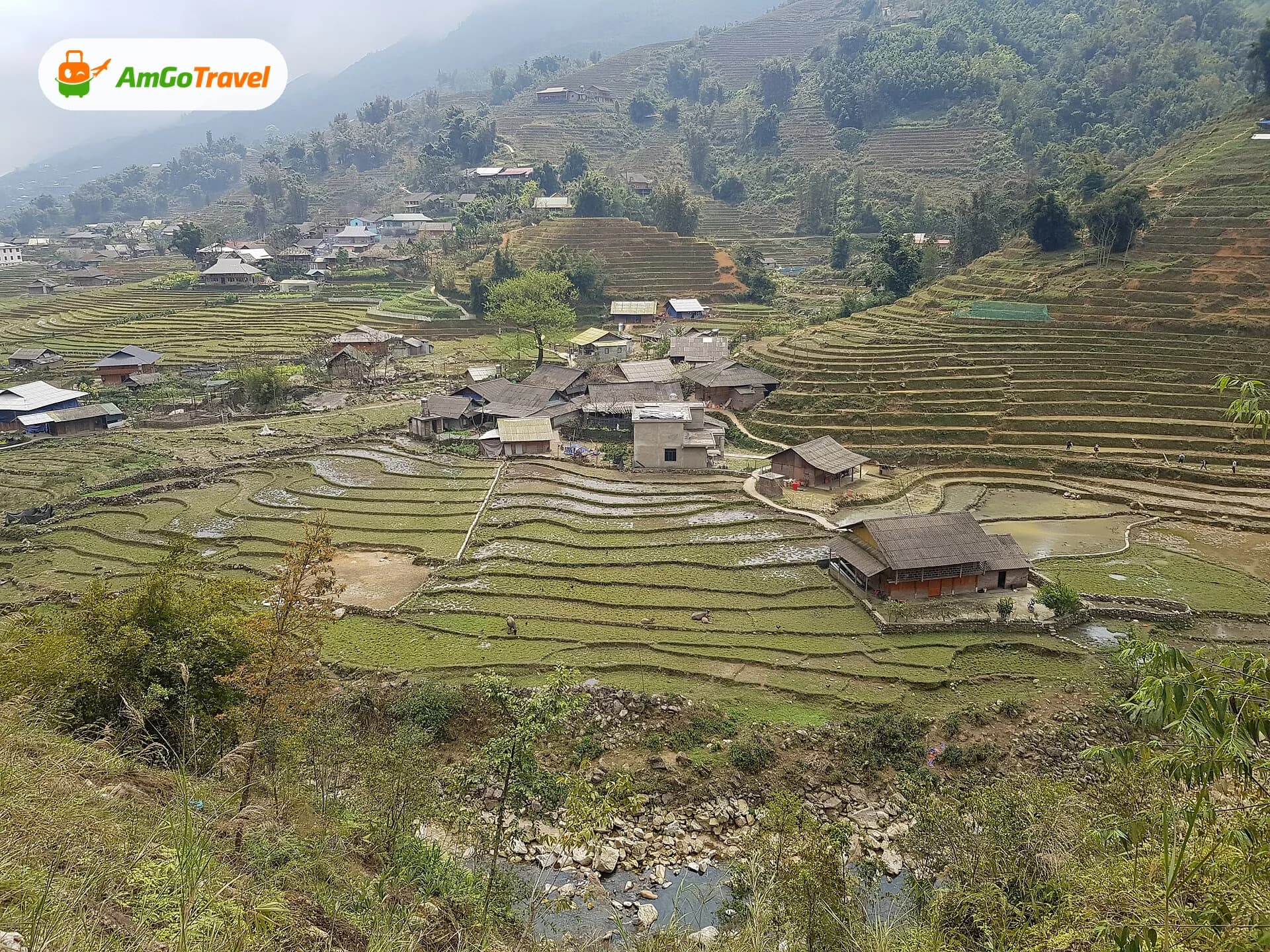
- A homestay night in the valley: September to November and spring are the most comfortable; in winter bring extra warm clothes.
- The Fansipan cable car: clearer views from October to December and in spring; the summit at 3,143 m is always colder than town.
- Photos of the terraces: May for water, September for gold.
- Avoiding crowds: winter, or weekdays outside September and the holidays.
Holidays and busy dates
Sapa is a favourite weekend escape for Vietnamese travellers, and it fills up on public holidays. Tour prices are higher on New Year (31 December to 2 January), the Lunar New Year, 30 April to 1 May, the Hung Kings Commemoration and 2 September, and buses and hotels sell out early. If you can, travel either side of those dates.
What to pack in each season
The tour packing list is the same all year: walking or trekking shoes with good grip, a light rain jacket, a warm layer for cool mornings and evenings, a sun hat and sunscreen, and a small day pack with a refillable water bottle. Then add to it by season:
- Summer: a proper rain jacket or poncho and quick-dry clothes.
- Autumn and spring: a fleece for the evenings.
- Winter: a down jacket, a hat, gloves and warm socks for the homestay night.
Getting to Sapa
The trek tours start in Sapa, so you need transport from Hanoi. A sleeper bus or VIP cabin bus takes about 5.5 to 6 hours with a rest stop and picks you up in the Old Quarter. The morning bus leaves Hanoi at 06:00 to 06:45, which gets you to Sapa in time to start walking the same day. We can book the bus, or check the train to Lao Cai for you. Read our Sapa trekking guide for the routes themselves.
FAQ
What is the best month to visit Sapa? For golden terraces, mid-September to early October. For clear trekking weather, late October and November. For water-filled terraces, May.
Is it too cold to visit Sapa in winter? No, but it is cold, especially at night and on Fansipan. Bring a warm jacket, a hat and gloves, and expect fog on many days.
Can I trek in Sapa in the rainy season? Yes. Showers usually come in the afternoon, so start early, wear shoes with good grip and pack a rain jacket.
When is the rice harvest in Sapa? Usually from late September into early October, but it varies by year and by valley.
How many days do I need in Sapa? Two days give you one good trek, or a trek and Fansipan. Three days let you sleep in the valley and walk further.
Where can I book a Sapa trek? AmGo Travel, a team of Vietnamese trip planners and guides with an office at 61 Hang Ga, Hoan Kiem, Hanoi, books Sapa treks, homestays and the bus from Hanoi. You can book on amgotravel.com or message the team on WhatsApp.
Sapa treks with AmGo Travel
See more things to do in Sapa, or message AmGo Travel on WhatsApp with your dates and a local trip planner will tell you what the terraces will look like when you go.